
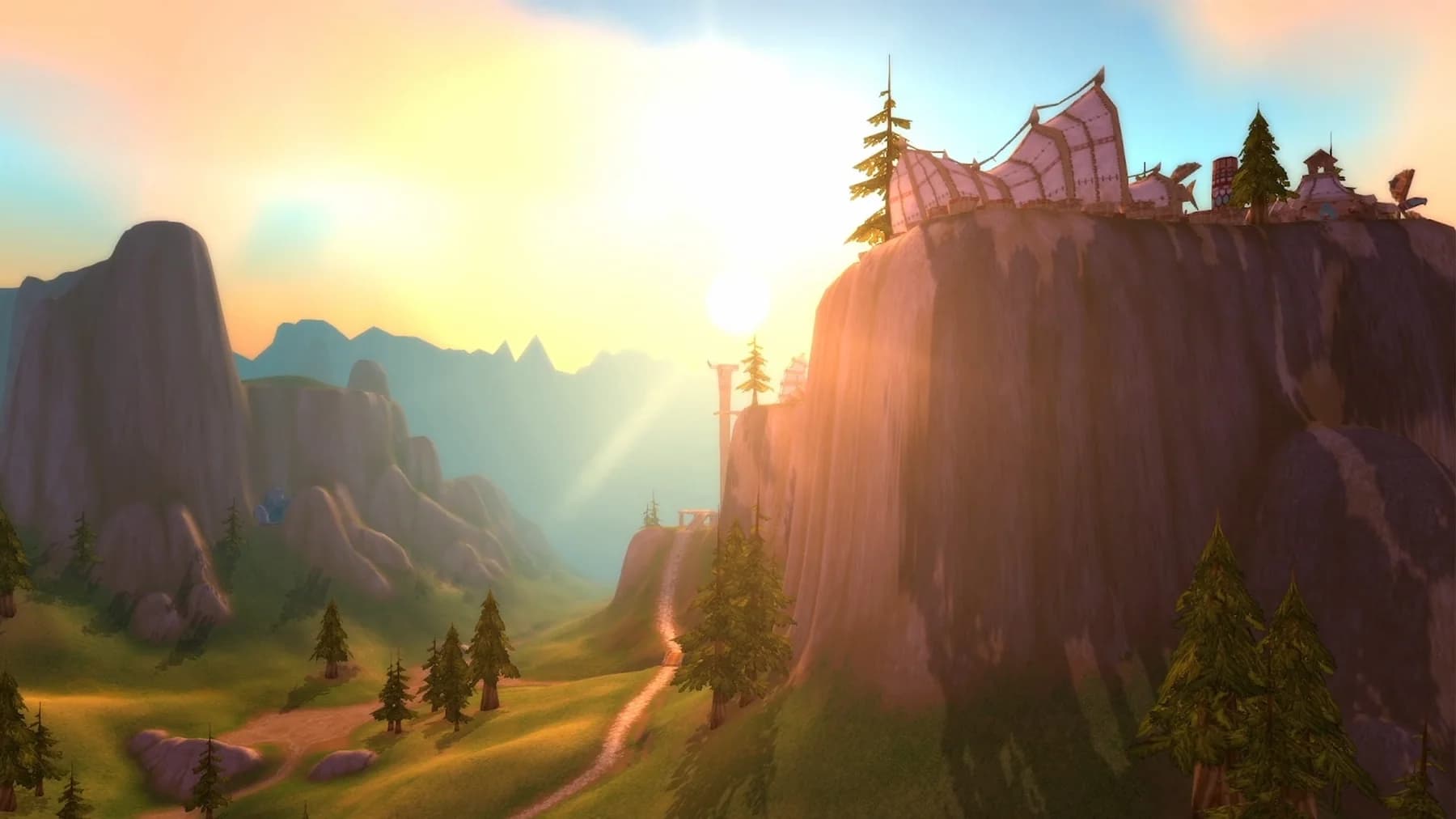
Start with the kind of evening you enjoy, not a label you feel obliged to fit. You can enjoy dungeon groups, competitive sessions, and character stories without making one of them your whole identity. Our community welcomes Alliance and Horde players across PvE, PvP, and RP. These social categories do not confirm Blizzard's realm availability or game rules.
PvE: choose the pace and commitment
For PvE groups, start with your faction's post-rules and lfg-pve channel. Ask whether a session is for learning, a familiar route, preparation, or recurring progression. Say when you are new to the content and what role you want to play. A group can then decide whether its pace fits yours.
Useful details include the activity, expected duration, voice expectations, and whether preparation is required. A calm atmosphere works best when those expectations are clear, not when nobody knows the plan.
For recurring raids, the guild-selection checklist helps you compare attendance and schedules. For one evening, browse group posts.
PvP: agree on the purpose of the session
The PvP community is a route to teammates and discussion. Discord has pvp-chat for general discussion and lfg-pvp under each faction for finding a session. A relaxed session and a coordinated team push can both be enjoyable, but they should not be advertised as the same experience.
Ask about activity, session length, communication, and expected experience. Keep feedback about the game rather than the person. Losing a match or disliking an opponent is not evidence of misconduct, and competition is not a reason to share private information or harass someone.
Roleplay: understand the premise and boundaries
The RP community helps players find shared stories and social events. Before attending, ask for the premise, location, time, newcomer guidance, and participation boundaries. A short out-of-character explanation can prevent confusion without spoiling the story.
Separate in-character disagreement from out-of-character consent. Ask before involving another player in a storyline with lasting consequences, and respect the host's rules. You do not need to improvise an elaborate character history before asking whether an event is suitable for a beginner.
Use region and faction to find practical matches
Start with the EU or NA page and choose spaces appropriate to your available hours. Record the time zone when discussing a session. A fixed local evening can shift relative to UTC during daylight-saving changes.
Faction spaces help people coordinate, but the public community applies the same posting and conduct standards across Alliance and Horde. A social welcome is not a statement about which factions can join a particular in-game activity; confirm the relevant game rules with the host and official sources.
Turn an interest into a clear request
Here are the details a useful request might cover. These are examples of structure, not advertised events:
| Interest | Include in your request |
|---|---|
| Learning a dungeon | Region, faction, role, available time, and that you are learning |
| Coordinated PvP | Activity, experience expectations, communication, and session length |
| A first RP event | Character premise if relevant, newcomer status, available time, and boundaries |
Avoid posting the same request into every channel. Choose the relevant space and give people time to respond. Our group guide covers the next step when you are ready to arrange a session.
Keep plans separate from game announcements
Community hosts can announce their intentions; they cannot confirm a Blizzard realm, release feature, or game restriction. Check Blizzard's official site for that information.
To get started, join the Discord and follow the onboarding guide. Pick one conversation or activity that interests you. You can explore the others later.
Written by WoW Forever Discord Team. About our organizers · Suggest an article correction in Discord